In PowerPoint, the default slide ratio is 4:3 (Standard). This can be a challenge, especially if you have been asked to create a presentation that has a 16:9 (Widescreen) ratio. Yes, you can easily change the ratio later, but it is best to start creating the slide from the beginning in the slide aspect ratio that you need. Although PowerPoint 2010 for Windows lets you to change the ratio later, the process is nowhere as intuitive as it is when you change the presentation aspect ratio from Widescreen to Standard in PowerPoint 2013 for Windows.
Follow these steps to learn how you can easily change the aspect ratio of your slides from Widescreen to Standard in PowerPoint 2010 for Windows:
- Launch PowerPoint. Doing so opens the PowerPoint interface with a new presentation, containing one slide, as shown in Figure 1, below. Optionally, you can also change its layout to Blank or Title Only. Notice that the Slide Area now displays a standard (4:3) slide, as shown highlighted in red within Figure 1.
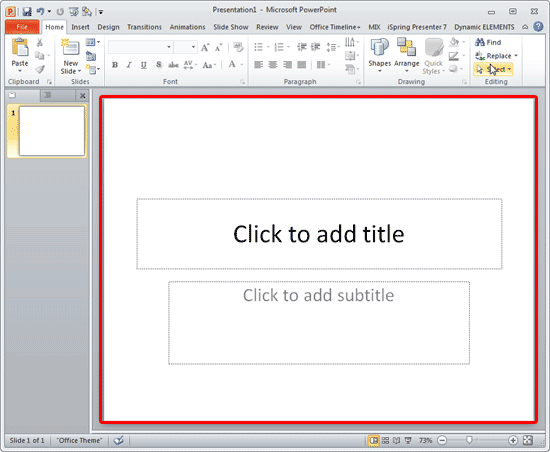
Figure 1: Standard slide - Now, insert a shape on the slide, as shown in Figure 2, below. We choose to create a perfect Circle.
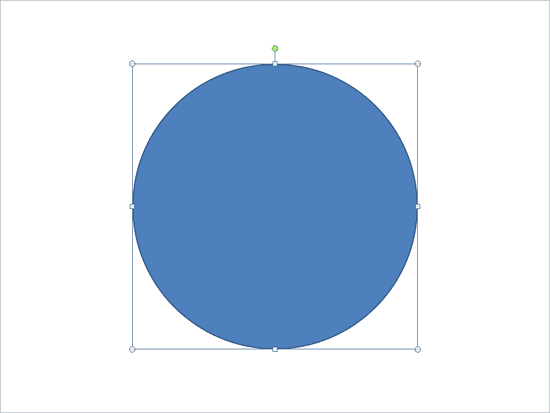
Figure 2: Perfect circle inserted on slide - Now, go and change the slide size from Standard to Widescreen. To do so, access the Design tab of the Ribbon, and the click the Page Setup button, as shown highlighted in red within Figure 3, below.
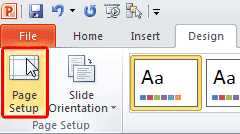
Figure 3: Page Setup button - Doing so brings up the Page Setup dialog box, as shown in Figure 4, below. Note that by default, our Standard resolution slide is set with a Width of 10 inches (34.66 cm) and a Height value of 7.5 inches (19.05 cm).
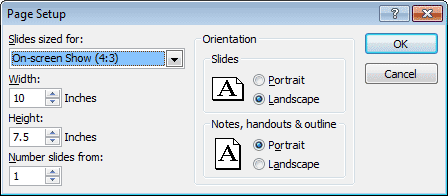
Figure 4: Page Setup dialog box
Centimeters or Inches?
Do you see centimeters rather than inches? That's because your Unit of Measurement with the Windows operating system is set to Metric rather than U.S., learn more in our Change The Unit Of Measurement in Windows tutorial.
- Click on the box below the Slides sized for option, and you will see a drop-down list, as shown in Figure 5, below. You will notice that there's a widescreen On-screen show (16:9) option. However, this option will actually reduce your slide's height from 7.5 inches (19.05 cm) to 5.63 inches (14.29 cm) while retaining the existing width, as shown in Figure 4, previously on this page.
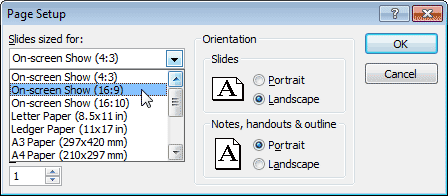
Figure 5: Widescreen option within the drop-down list - To solve this problem type in the widescreen width (13:65 inches/26.92 cm), as shown highlighted in red within Figure 6, below. Then, click the OK button to apply the change.
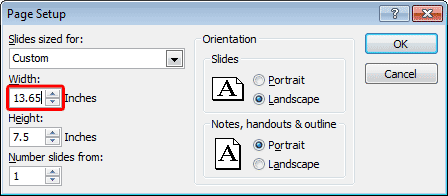
Figure 6: Width changed manually - This action will change the standard slide to widescreen, as shown in Figure 7, below. Note that the Circle shape stretches when the slide ratio is changed, as shown in Figure 7.
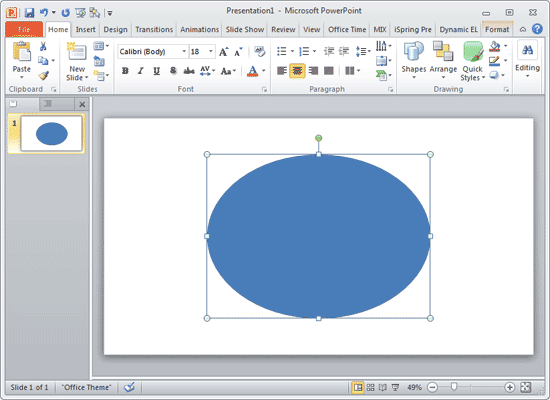
Figure 7: Slide ratio changed to widescreen - In PowerPoint 2010, every time you change the slide from Standard to Widescreen, the content within the slide will get stretched. The reverse is also true, but only the difference in this case is that the content will get squished rather than stretched!
- So what is the solution? There are no solutions, but here are some recommended guidelines:
Start With The Aspect Ratio You Need
- When you create a new presentation, change the slide aspect ratio to what you need before you do anything else!
Use PowerPoint 2013 or Later
- Open the presentation where you need to change the slide ratio in PowerPoint 2013 for Windows or a later version to change from Standard to Widescreen or vice versa. Save the presentation, you can thereafter work with the same presentation in PowerPoint 2010. Do note though that while PowerPoint 2013 does to squish and stretch any objects in the slides, it's not as forgiving for objects within the Slide Master!
Use PPTools Resize
- Use Resize, a PowerPoint add-in which makes the task more easier, and Resize also works within PowerPoint 2010.


