This is the print version of this page. All content is copyright Indezine.com 2000-2026.
Learn how to add semi-transparency to columns of 3D charts in PowerPoint 2011 for Mac. Semi-transparent columns allow you to see other columns that may be hidden.
Author: Geetesh Bajaj
Product/Version: PowerPoint 2011 for Mac
OS: Mac OS X
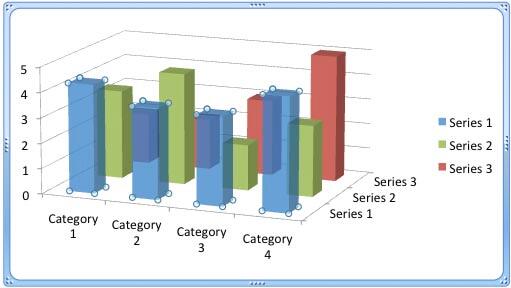
OK, you read the title right! We reiterate that you should still not use 3D charts unless you must have a Z-axis. Having said that, we are talking about making your 3D columns in a chart transparent. Yes, there's a reason to do so especially when you find that some of the columns in your 3D chart may be hiding behind one or more of the other columns, just because they are not tall enough. Look at the chart shown in Figure 1, below. Notice that one of the red columns is completely hidden. Agreed, that column does not represent superlative performance but it still needs to be visible.
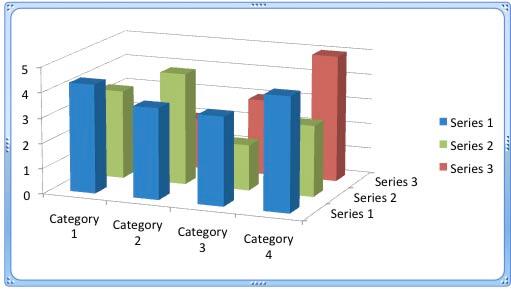
Figure 1: One of the Series 3 columns is completely hidden
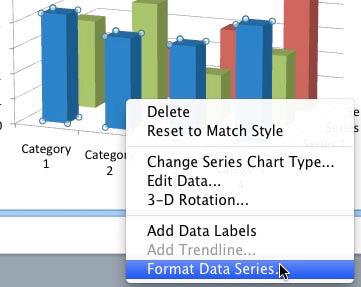
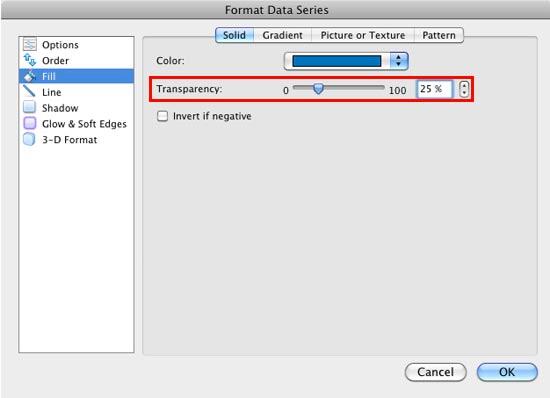
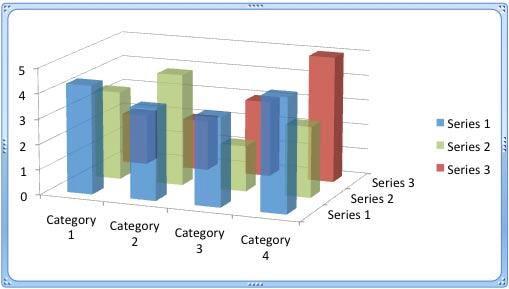
Continuing our observation of Figure 1, we need to find a way to make the completely hidden red column visible! One easy solution for this problem is to reduce the opacity of the columns in the front. Follow these steps to learn more:


10 11 02 - 3D Charts: Make 3D Columns Semi-Transparent for Charts (Glossary Page)
Make 3D Columns Semi-Transparent for Charts in PowerPoint 2013 for Windows
You May Also Like: Take Lessons From Digital UX to Improve Your Public Speaking | Artists PowerPoint Templates


Microsoft and the Office logo are trademarks or registered trademarks of Microsoft Corporation in the United States and/or other countries.